
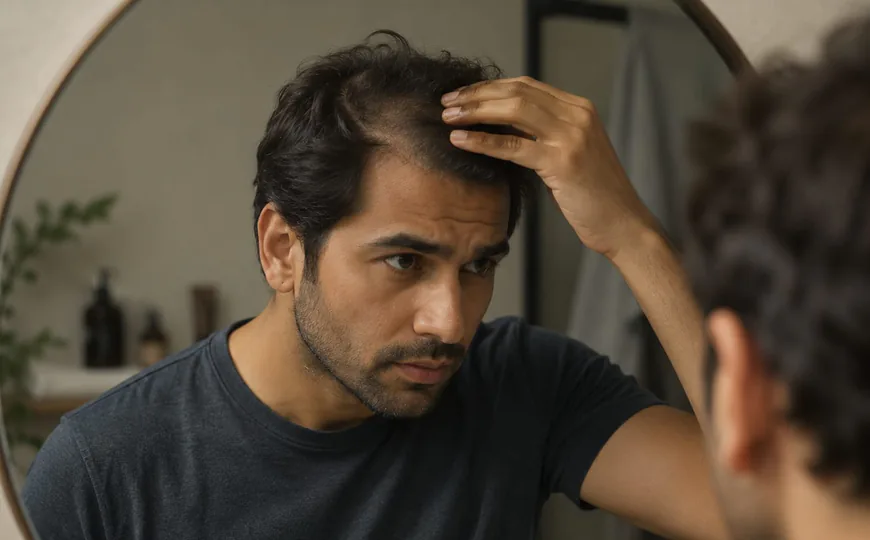
 Hair Thinning
Wellness
Wellness Beyond the Mirror: Why Skin Health Begins Outside the Treatment Room
Wellness has increasingly become associated with what we apply, inject or consume.

Dr. Aisshwarya Panddit
Celebrity Cosmetic Doctor & Founder, NOVEA
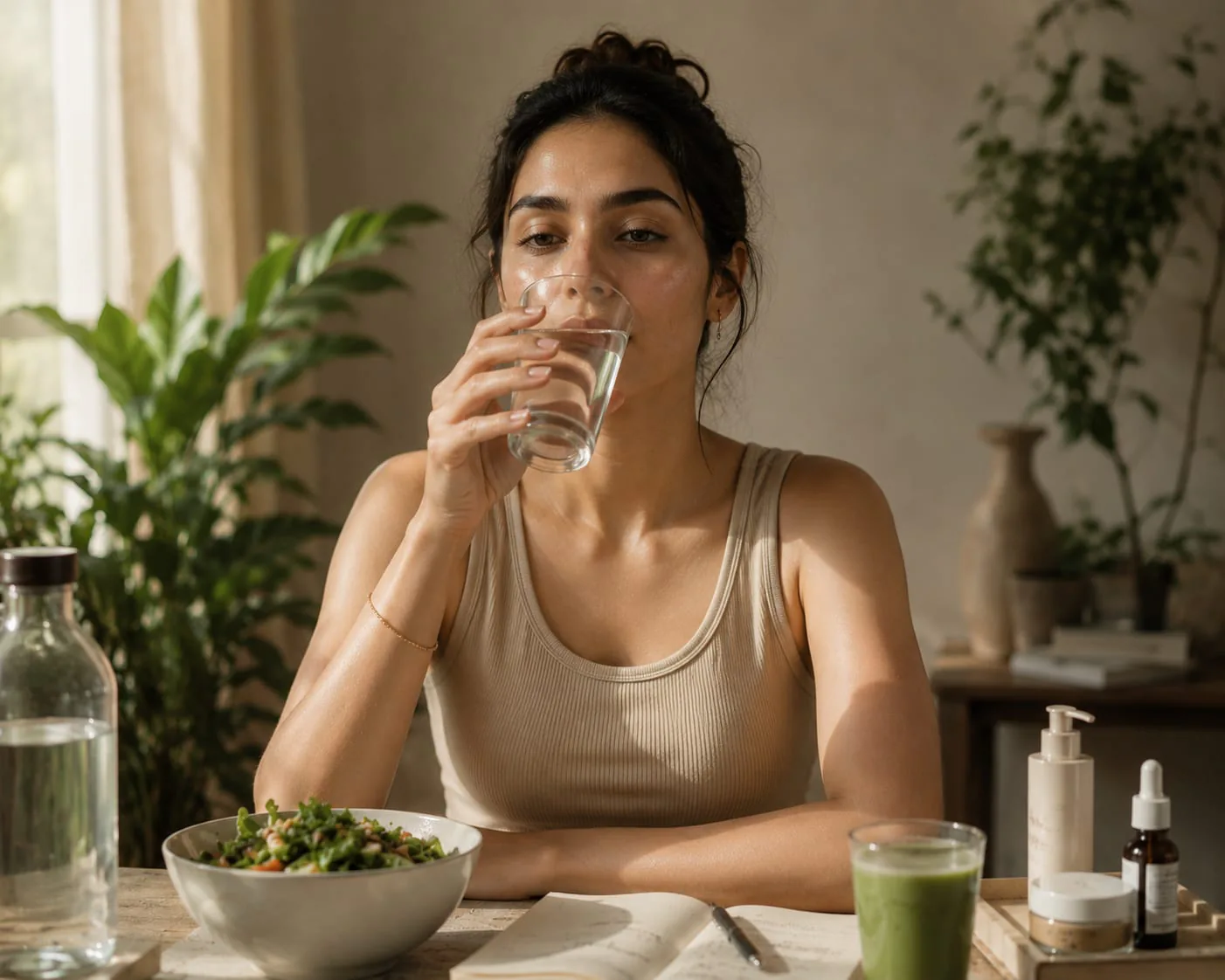
Wellness has increasingly become associated with what we apply, inject or consume.
But some of the most important influences on how we look and feel are considerably less glamorous: sleep, movement, stress, nutrition and recovery.
The skin, after all, does not exist independently from the rest of the body.
It is an organ that responds to internal changes as well as the environment around it. Which means that a conversation about healthy skin cannot stop at skincare.
“Stress and sleep actually factor quite significantly in skin diseases.”
The skin reflects more than skincare
When sleep is consistently poor, stress is high or routines are erratic, people often notice changes in how their skin looks and feels.
It may appear duller or more fatigued. Existing concerns can seem harder to manage. The skin may feel more sensitive or less resilient.
This does not mean every skin concern can be solved through “better lifestyle choices”. Dermatological conditions have genuine biological causes and sometimes require medical treatment.
But lifestyle can form an important part of the overall picture.
Sleep is not a beauty trend
Sleep is when the body gets an opportunity to recover and regulate multiple physiological processes.
A skincare routine performed perfectly at night cannot compensate for consistently inadequate rest.
Rather than thinking of sleep as another beauty hack, it is more useful to see it as basic maintenance for the body.
The same applies to movement.
Regular physical activity supports overall health and circulation, while also helping create a routine that can make sleep and stress management easier.
Wellness does not need to be extreme to be meaningful.
Nutrition is about adequacy, not perfection
The wellness industry often turns nutrition into a list of things to eliminate.
But healthy skin does not require a permanently restrictive diet or an endless collection of supplements.
Adequate protein, essential nutrients, hydration and a varied diet provide the foundations the body needs to function normally.
Supplements can have a role when there is a genuine deficiency or a medically appropriate reason to use them. They should not automatically be treated as a shortcut to better skin or hair.
The goal is nourishment, not nutritional anxiety.
Stress deserves a place in the conversation
Stress is another factor that can influence how people experience their skin and hair.
Periods of significant stress can coincide with increased hair shedding or changes in existing skin concerns. That does not mean stress is responsible for every breakout, pigmentation patch or hair-loss pattern.
It means the body is interconnected.
Managing stress therefore does not have to mean adding another wellness task to an already overwhelming schedule.
It can be as simple as creating space for movement, sleep, social connection, time away from screens or activities that genuinely help you decompress.
Wellness should not become another performance
There is a growing pressure to optimise everything: sleep scores, supplements, workouts, skincare routines and morning rituals.
But wellness should make life feel more sustainable, not more complicated.
A healthy approach asks what is realistic enough to continue.
Perhaps that means walking regularly instead of following an intense fitness programme. Eating consistently rather than constantly dieting. Sleeping at a reasonable time rather than searching for another supplement. Taking care of the skin without turning every minor change into a crisis.
The bigger picture
Aesthetic and dermatological treatments can address specific concerns with precision. But they work best within a broader understanding of health and wellbeing.
The goal is not to outsource wellness to a treatment room.
It is to recognise that feeling and looking well are influenced by multiple parts of life, and that none of them needs to be perfect.
True wellness is not about optimising yourself until there is nothing left to improve.
It is about building habits that allow you to feel well, function well and care for yourself consistently.
Sometimes, the most sophisticated form of self-care is simply learning what your body needs, and giving it enough of it.
Dr. Aisshwarya Panddit
Celebrity Cosmetic Doctor & Founder, NOVEA
- Wellness
- Lifestyle
- Skin Health
Continue Reading
More from the Journal
Hair Thinning Pigmentation
Reach Us
Begin with a private conversation
Every Novea journey begins by understanding what concerns you, what matters to you and how you would like to feel. From there, your treatment plan is considered with honesty, clinical intelligence and restraint.
Request a Private Consultation